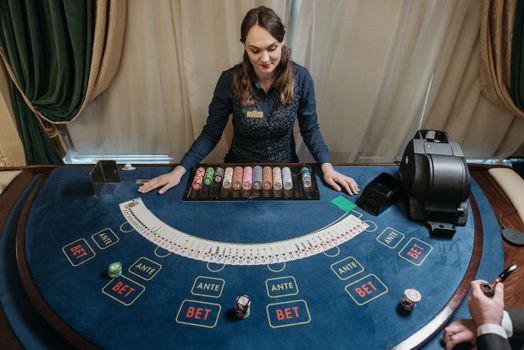
Gambling has long been a popular pastime across the globe, offering excitement, social interaction, and the allure of a potential big win. But with the rise of online casinos and sports betting platforms, access to gambling has never been easier—or potentially riskier. According to the World Health Organization, about 1% of adults worldwide struggle with problem gambling, and millions more are considered at-risk. As gambling becomes more accessible, the need for responsible gambling practices has never been more urgent. This article explores the best methods for responsible gambling, focusing on practical strategies and tools that help individuals enjoy gambling as entertainment—without letting it become a harmful addiction.
Understanding Responsible Gambling: More Than Just Setting Limits
Responsible gambling is a proactive approach that empowers players to enjoy betting while minimizing the risk of harm. It involves making informed choices, recognizing risky behaviors, and using available resources to stay in control. It’s not just about self-discipline; it’s also about leveraging the wealth of tools and support systems that modern gambling operators and regulators now offer.
A 2023 study by the UK Gambling Commission found that 65% of regular gamblers use some form of responsible gambling tool, such as deposit limits or self-exclusion. These tools are effective, but responsible gambling also means understanding the psychology of gambling, maintaining self-awareness, and seeking help when needed.
.png)
Key Methods for Responsible Gambling: Practical Steps to Stay in Control
There’s no one-size-fits-all solution for responsible gambling. However, several evidence-based methods can help gamblers stay safe:
1. $1: Before you start, decide how much time and money you’re willing to spend. Many online platforms now allow you to set these limits in your account settings. Research from the University of Sydney shows that gamblers who set specific spending limits are 55% less likely to exceed their budget compared to those who don’t use limits. 2. $1: Regular reminders of how long you’ve been playing and prompts to take breaks help prevent binge gambling. For example, Sweden’s Spelpaus system requires all licensed operators to provide regular reality checks, which has contributed to a 22% reduction in reported problem gambling cases since its implementation in 2019. 3. $1: Many gambling websites offer self-assessment quizzes to help you recognize signs of risky behavior. These tools ask about your gambling habits and provide immediate feedback, helping you stay honest with yourself. 4. $1: If you feel your gambling is getting out of control, most reputable operators allow you to exclude yourself from their services temporarily or permanently. According to the National Council on Problem Gambling, use of self-exclusion programs in the US has increased by 18% annually since 2020.Digital Tools and Resources: How Technology Supports Safer Gambling
The digital age has revolutionized not only how we gamble but also how we can protect ourselves. Online gambling platforms now offer a suite of responsible gambling tools designed to keep players safe:
| Tool | How It Works | Effectiveness (Based on Studies) |
|---|---|---|
| Deposit Limits | Set a maximum amount you can deposit daily, weekly, or monthly | Reduces overspending by up to 60% (UK Gambling Commission, 2022) |
| Loss Limits | Stops play once you’ve lost a predetermined amount | High uptake among at-risk players; 48% reduction in losses (GambleAware, 2021) |
| Session Time Reminders | Sends alerts after a set time to encourage breaks | Improves self-control in 3 out of 4 users (Australian Institute of Family Studies, 2020) |
| Self-Exclusion | Blocks you from accessing gambling services for a set period | Effective for 70% of users in reducing gambling-related harm (NCPG, 2021) |
| Activity Statements | Detailed records of your gambling activity | Increases player awareness; 45% report improved control (EGBA, 2023) |
Many regulated casinos and betting sites are required by law to provide these tools, and usage rates are climbing each year. For example, in 2022, over 80% of online gambling sites in the UK offered at least three responsible gambling tools.
The Role of Social Support and Open Communication
Responsible gambling isn’t just a solo effort. Social support from friends and family plays a vital role in preventing gambling addiction. In fact, a 2021 Yale University study found that individuals who discussed their gambling habits with trusted friends or family were 43% less likely to develop problematic behaviors.
Here’s how engaging others can help:
- $1: Sharing your gambling limits and habits with someone you trust can help you stick to your goals. - $1: Loved ones can spot changes in your behavior, such as increased secrecy or financial strain, which may signal a developing problem. - $1: Gambling losses can be emotionally taxing. Having someone to talk to reduces the urge to chase losses or gamble out of stress.Some gamblers even form peer support groups offline or online, where they can exchange experiences, identify triggers, and learn coping strategies. Organizations like Gamblers Anonymous and Gambling Therapy offer safe spaces for these conversations.
Recognizing the Warning Signs of Gambling Addiction
One of the most crucial aspects of responsible gambling is being able to recognize when recreational play is turning into a problem. Early detection is key to prevention and recovery. Here are common warning signs, according to the Mayo Clinic and the National Council on Problem Gambling:
- $1: Constantly thinking about gambling, planning the next session, or reminiscing about past wins. - $1: Needing to gamble with more money to get the same excitement. - $1: Trying to win back lost money, often leading to even bigger losses. - $1: Missing work, school, or family obligations due to gambling. - $1: Resorting to risky or illegal means to fund gambling. - $1: Feeling anxious, depressed, or irritable when not gambling.If you recognize these signs in yourself or someone you care about, it’s important to seek help early. The sooner you address the issue, the easier it is to regain control.
Seeking Professional Help: Resources for Those at Risk
Despite best efforts, some individuals may still develop gambling-related problems. The good news is that a range of professional resources exist to provide support, counseling, and treatment.
- $1: Licensed therapists specializing in gambling addiction use evidence-based treatments like cognitive-behavioral therapy (CBT), which has been shown to reduce problem gambling behaviors by up to 60% (American Journal of Psychiatry, 2020). - $1: Many countries offer 24/7 helplines, such as the National Problem Gambling Helpline (1-800-522-4700 in the US) and GamCare (0808 8020 133 in the UK). These services provide immediate, confidential support. - $1: Organizations like Gamblers Anonymous or SMART Recovery offer group support and self-directed recovery plans. - $1: For those facing financial difficulties from gambling, specialized financial counselors can help create debt management plans and negotiate with creditors.It’s important to remember there is no shame in seeking help. In fact, more than 60% of people who seek professional help for gambling problems report significant improvements in their lives within six months.
Final Thoughts on Responsible Gambling and Avoiding Addiction
Gambling can be a fun and social activity when approached with awareness, discipline, and the right tools. The key to responsible gambling lies in understanding your own habits, setting clear boundaries, and utilizing modern digital safeguards. Social support, self-awareness, and professional assistance are all crucial in preventing recreational play from turning into addiction.
By taking advantage of the many resources now available—from deposit limits to counseling services—players can enjoy the entertainment value of gambling while safeguarding their financial and emotional well-being. Remember, the goal is not to eliminate the fun, but to ensure it stays just that: fun.