The Evolution of Slot Machines: From Mechanical Marvels to Digital Dynamos
Slot machines are iconic fixtures in casinos and an enduring symbol of gaming entertainment. Their familiar spinning reels and flashing lights have lured millions of players for over a century. However, the slot machines we see today—whether on a casino floor or on a mobile device—are the result of a fascinating journey of technological innovation and cultural adaptation. The evolution of slot machines, from their purely mechanical origins to today's sophisticated digital platforms, is a story of ingenuity, regulation, and changing player tastes.
This article traces the remarkable transformation of slot machines, highlighting key milestones, technological advancements, and the ways digital technology has reshaped the gaming experience.
The Birth of Mechanical Slot Machines
The slot machine's story begins in the late 19th century. In 1891, the Brooklyn-based company Sittman and Pitt developed a gambling machine based on poker, using five drums and 50 card faces. However, it was Charles Fey of San Francisco who, in 1895, truly revolutionized the concept with the "Liberty Bell" machine. Fey's design featured three spinning reels, five symbols (horseshoes, diamonds, spades, hearts, and a Liberty Bell), and an automatic payout mechanism.
.png)
The Liberty Bell’s simple mechanics—gears, levers, and a spring-driven handle—made it the first machine to offer automatic payouts for certain combinations, a major innovation. The top prize was 50 cents, a considerable sum at the time. By 1908, Herbert Mills introduced the "Operator Bell," further popularizing the game and ushering in the era of fruit symbols, such as cherries and lemons, which remain staples today.
For decades, mechanical slot machines dominated bars, saloons, and casinos. Their charm lay in their physicality: the satisfying pull of the lever, the clatter of spinning reels, and the jingle of coins. However, these machines had limitations. The number of possible combinations was constrained by the number of physical stops on each reel, typically no more than 20 or 22.
The Electromechanical Revolution
Mid-20th century America saw another leap forward with the introduction of electromechanical slot machines. In 1963, Bally Manufacturing launched "Money Honey," the first fully electromechanical slot machine. It retained the familiar lever but replaced most internal gears and levers with electrical components—solenoids, motors, and wiring.
This transition allowed for new possibilities:
- Higher payout capacity: "Money Honey" could automatically pay out up to 500 coins, a huge jump from previous models. - More reels and paylines: Electric controls made it possible to add more reels, increasing the number of potential winning combinations. - Enhanced features: Lights, sounds, and early bonus features became possible, making machines more engaging.By the late 1970s, the lever was largely replaced by the push-button, further modernizing the slot experience. Electromechanical machines also made it easier for casinos to monitor payouts and detect tampering.
The Advent of Video Slot Machines
The 1970s and 1980s brought the next seismic shift: the video slot machine. In 1976, the first true video slot was developed by Fortune Coin Company in California. Instead of physical reels, the machine used a modified 19-inch Sony Trinitron TV to display the action, with the game's outcome determined by a random number generator (RNG).
Nevada regulators tested and approved Fortune Coin’s innovation, and soon, video slots began appearing in Las Vegas casinos. Video slots offered several dramatic advantages:
- Unlimited symbols and paylines: Digital technology allowed for more reels, more symbols, and multiple paylines, vastly increasing both complexity and entertainment value. - Bonus rounds and mini-games: The flexibility of video displays enabled the integration of bonus features, free spins, and interactive games within the slot itself. - Themed experiences: Popular culture themes—movies, TV shows, celebrities—could easily be incorporated into slot design.By the 1990s, video slots had overtaken mechanical and electromechanical models in most casinos, appealing to a new generation of players and generating billions in revenue.
Online Slots: The Digital Transformation
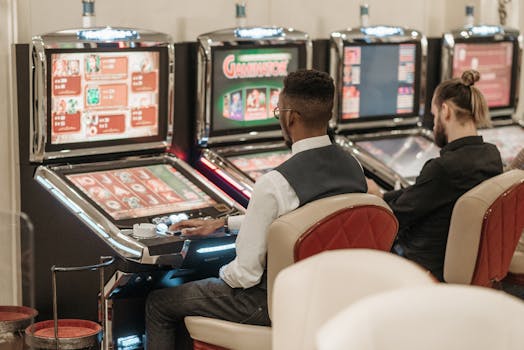
The rise of the internet in the late 1990s marked the beginning of the digital era for slot machines. Online casinos launched the first web-based slots in 1996, with simple graphics and basic gameplay. However, rapid advances in software and broadband connectivity soon transformed the landscape.
Key features of digital slot machines include:
- High-definition graphics and immersive sound: Modern online slots feature stunning visuals, 3D animation, and cinematic soundtracks. - Massive variety: Thousands of titles are available, from classic fruit machines to movie tie-ins and progressive jackpots. - Flexible gameplay: Players can choose coin size, number of paylines, and play at their own pace. - Accessibility: Online slots are available 24/7, playable on desktop, tablet, or mobile devices.By 2023, the global online gambling market was valued at over $92 billion (Statista), with slots accounting for the largest share of casino game revenue.
Comparing Mechanical, Electromechanical, and Digital Slots
To better understand how slot machines have evolved, let's compare some of the most significant features across the three major eras:
| Feature | Mechanical (1890s-1960s) | Electromechanical (1960s-1980s) | Digital/Video (1980s-present) |
|---|---|---|---|
| Reels | Physical, 3 reels | Physical, 3-5 reels | Virtual, unlimited reels possible |
| Symbols | Limited (usually 5-10) | Moderate (10-20) | Unlimited (dozens or more) |
| Paylines | 1 | 1-5 | 1 to 100+ |
| Payout Method | Manual coin payout | Automatic, up to 500 coins | Digital account credits |
| Bonus Features | None | Basic (lights, sounds) | Advanced (free spins, mini-games, multipliers) |
| Security | Prone to mechanical tampering | Improved, but possible to rig | Highly secure RNG, encryption |
| Accessibility | Physical casinos only | Physical casinos only | Online/mobile worldwide |
This progression reflects not just technological advancement, but also a changing relationship between players and the game. While early machines relied on tactile engagement, digital slots offer interactive, multi-sensory experiences designed for a broad, global audience.
How Regulation and Technology Shaped Slot Machines
The evolution of slot machines has always been influenced by legal and regulatory frameworks. Early machines skirted gambling bans by awarding prizes like gum or tokens, leading to the iconic fruit symbols. As slot machines became more widespread, states and countries introduced regulations to ensure fairness and protect players.
The introduction of microprocessors in the 1980s enabled the use of random number generators, making it possible to guarantee truly random outcomes and comply with gaming regulations. Today, all reputable digital and online slot machines undergo regular testing by third-party auditors, such as eCOGRA or GLI, to verify the integrity of their RNGs.
Furthermore, digital platforms allow for responsible gaming features, such as deposit limits, self-exclusion, and age verification, all of which are increasingly required by regulators. This emphasis on fairness, security, and player protection has helped legitimize slot gaming and fuel its global growth.
The Future of Slot Machines: What’s Next?
Looking ahead, the evolution of slot machines is far from over. Several trends are shaping the next generation of slot gaming:
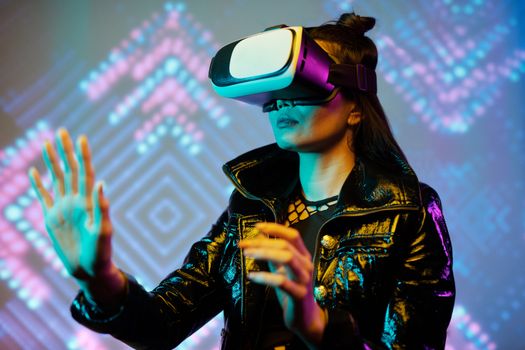
- Virtual Reality (VR) and Augmented Reality (AR): Developers are experimenting with VR slots that let players walk through immersive casino environments or interact with 3D reels and bonus games. - Blockchain and Cryptocurrencies: Some online casinos now offer slots that accept Bitcoin and other digital currencies, providing new levels of transparency and security. - Social and Community Play: Features like live tournaments, leaderboards, and chat functions are making slots more social and interactive. - Artificial Intelligence (AI): AI-driven analytics help operators personalize bonuses and recommendations, while also identifying problem gambling behaviors for early intervention.Industry analysts predict that by 2027, the global online gambling market could surpass $153 billion, with slots remaining a dominant force. As technology continues to advance, players can expect even more innovative, personalized, and immersive experiences.
Final Reflections on the Evolution of Slot Machines
From the simple mechanical marvels of the late 1800s to today's dazzling digital dynamos, slot machines have undergone a remarkable transformation. Each technological leap has expanded the possibilities for gameplay, accessibility, and entertainment, while also introducing new challenges and responsibilities for operators and regulators.
The enduring appeal of slot machines lies in their ability to blend chance, excitement, and the thrill of potential reward. As digital technology continues to evolve, the slot machine’s journey is far from over—promising even more innovation, creativity, and fun for generations of players to come.