The Unseen Force: Demystifying the House Edge in Casino Games
Step into any casino—whether a glittering Las Vegas resort or a digital gaming site—and you’ll find games that promise excitement, strategy, and the tantalizing potential for big wins. But behind the flashing lights and spinning reels lies a mathematical principle that shapes every outcome: the house edge. For both casual players and seasoned gamblers, understanding the house edge is essential for making informed choices and setting realistic expectations. This article pulls back the curtain on what the house edge really is, how it varies between games, and why it’s the silent architect of every casino’s success.
What Is the House Edge and Why Does It Exist?
The house edge is the percentage of each wager that a casino expects to retain over the long term. Contrary to popular belief, it’s not about rigging the games—rather, it’s a built-in advantage that ensures the casino remains profitable while still offering players the chance to win.
For example, if a game has a house edge of 2%, the casino expects to keep $2 for every $100 wagered over millions of bets. This edge isn’t obvious in single sessions (where luck can swing wildly), but it becomes undeniable as the number of plays increases. The house edge is a calculated, statistical guarantee—not a conspiracy.
.png)
Casinos rely on the house edge to cover operational costs, pay staff, and maintain their luxurious venues. In fact, according to the American Gaming Association, U.S. commercial casinos generated $60.4 billion in gaming revenue in 2022—a testament to the power of the house edge working quietly behind the scenes.
How the House Edge Is Calculated
Every casino game is designed with rules that subtly favor the house. Calculating the house edge involves comparing the true odds of winning a bet to the payout offered by the casino.
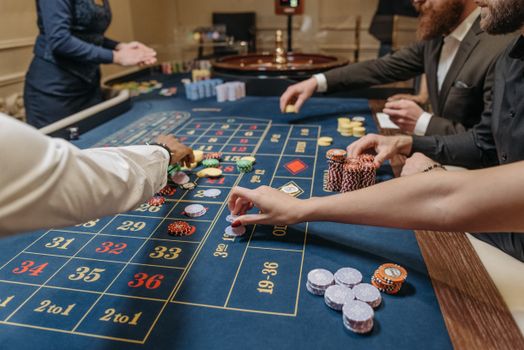
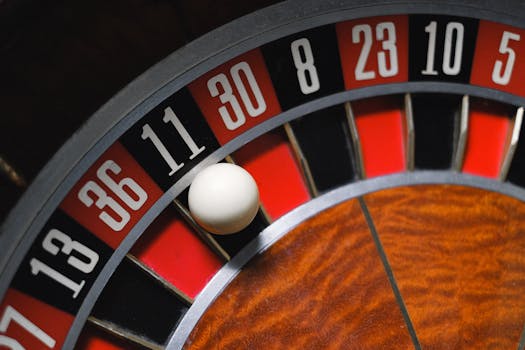
For example, in European roulette, there are 37 pockets (numbers 1-36 plus a single zero). If you bet on a single number, your chance of winning is 1 in 37 (about 2.70%). However, the payout for a winning bet is 35 to 1. If the payout matched the true odds (36 to 1), there would be no house edge. The difference creates the casino’s advantage.
Let’s break down another classic: blackjack. In a standard game with optimal player strategy, the house edge can be as low as 0.5%. However, this edge fluctuates based on rule variations, the number of decks, and the player’s skill. Poor strategy can push the edge much higher.
For slot machines, the house edge is determined by the programmed return-to-player (RTP) percentage. If a slot has an RTP of 96%, its house edge is 4%.
Comparing House Edges: Which Games Offer the Best Odds?
Not all casino games are created equal when it comes to the house edge. Some offer players a better shot at winning, while others favor the house more heavily. Understanding these differences can help you choose games that align with your risk tolerance and playing style.
Below is a comparative table showing typical house edges for popular casino games:
| Casino Game | Typical House Edge (%) | Notes |
|---|---|---|
| Blackjack | 0.5 – 2.0 | Varies with rules and player skill |
| Baccarat (Banker Bet) | 1.06 | Player bet: 1.24%, Tie: 14.4% |
| European Roulette | 2.70 | American Roulette: 5.26% |
| Craps (Pass Line) | 1.41 | Some bets exceed 10% edge |
| Slot Machines | 2.0 – 15.0 | Varies by game and RTP |
| Keno | 20.0 – 35.0 | One of the highest house edges |
| Pai Gow Poker | 1.46 | With optimal play |
| Video Poker (Jacks or Better) | 0.46 | Full pay, expert play |
As you can see, games with a strong skill component (like blackjack and video poker) generally offer lower house edges—if you play optimally. Pure chance games like keno and many slots tend to have higher house edges.
The Impact of Volatility and Payout Structures
While the house edge tells you how much you might lose in the long run, it doesn’t capture the “ups and downs” of a game—that’s where volatility comes in. Volatility, or variance, measures how much your results can swing away from the average in the short term.
For example, slot machines often pair a moderate house edge (say, 4-6%) with high volatility. This means you might experience long losing streaks punctuated by the occasional big win. Conversely, baccarat and blackjack feature lower volatility, offering more consistent but smaller wins and losses.
Payout structures also play a crucial role. Games with infrequent, large payouts (like progressive slots or keno) tend to have higher volatility and higher house edges. Games with frequent, smaller payouts (like certain video poker variants) may offer a steadier play experience and a lower edge.
Misconceptions and Myths About the House Edge
Despite its importance, the house edge is often misunderstood. Let’s clear up some common misconceptions:
1. The house edge does not guarantee the casino wins every time. In the short term, players can and do win big—sometimes even hitting life-changing jackpots. The house edge describes the likely outcome over thousands or millions of bets, not individual sessions. 2. The house edge is not a “cheat.” It’s a transparent, mathematically defined aspect of every legal casino game. Without it, casinos couldn’t operate. 3. Strategies like betting systems (Martingale, Paroli, etc.) cannot overcome the house edge. While they may change the distribution of wins and losses, the underlying math remains unchanged. 4. The house edge doesn’t “reset” after a win or loss. Every bet is independent; past outcomes do not influence future results.How Players Can Use the House Edge to Make Smarter Choices
Knowing the house edge empowers players to make choices that fit their goals. Here’s how you can use this knowledge to your advantage:
- Choose games with a low house edge if you want better long-term odds. For example, playing blackjack with basic strategy or video poker with perfect play can reduce the house’s advantage to under 1%. - Be cautious with high-edge games like keno or certain slot machines, especially if your goal is to play longer on your bankroll. - Learn the rules and optimal strategies for your chosen games. Even small mistakes in games like blackjack or video poker can increase the house edge significantly. - Remember that the house edge is a long-term average. Setting win and loss limits can help you enjoy the experience without falling prey to the illusion of “due” wins.The House Edge and Responsible Gambling
Understanding the house edge is also critical for responsible gambling. The built-in advantage means that, over time, the casino will always come out ahead. This is not a flaw—it’s the foundation of the industry. Recognizing this can help players set realistic expectations, manage their budgets, and avoid chasing losses.
In the UK, the Gambling Commission requires that all licensed casinos display the RTP or house edge for their games, so players can make informed choices. Many online casinos also provide this information, reflecting a global trend toward transparency and player protection.
Final Thoughts: The House Edge as Your Guide
The house edge is neither friend nor foe—it’s simply a fact of casino gaming. By understanding how it works, comparing edges across games, and recognizing its impact on your play, you can enjoy the casino experience with open eyes and a strategic mindset. Whether you’re spinning a slot, doubling down at blackjack, or watching the roulette wheel spin, remember: the house edge is always in play, but so is your power to choose wisely.